
Physical struggle and temporary discomfort may fade away but not the enduring grace of creative triumph. Through the profound relationship between Auguste Renoir and Henri Matisse, this story reminds us that true passion creates lasting art long after the suffering is forgotten.
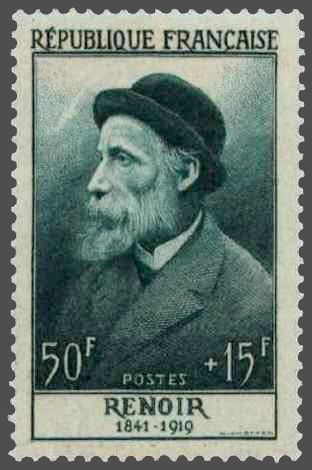
“Ever since he was young, the painter Henri Matisse used to visit the great Renoir at his atelier every week.
When Renoir was crippled with arthritis, Matisse began to visit him daily, taking food, paint brushes and paint, always trying to convince the master that he worked too hard and needed to rest a little.
One day, noting that each brush stroke made Renoir groan in pain, Matisse couldn’t stay silent:
“Great master, your work is already vast and important. Why continue to torture yourself that way?”
“Very simple,” Renoir answered. “Beauty remains; pain ends up passing.”
More at https://paulocoelhoblog.com/
Pierre-Auguste Renoir (1841–1919) was a French painter and a leading figure of Impressionism, celebrated for his luminous depictions of modern Parisian life, intimate portraits, and sensual nudes. Born in Limoges and trained in Paris, he began as a porcelain decorator before studying at the École des Beaux-Arts and befriending fellow pioneers like Claude Monet and Alfred Sisley. Renoir’s early works use flickering brushstrokes and bright, pure colour to capture the shifting effects of light, often in outdoor scenes such as dances, gardens and café terraces. From the mid-1880s, influenced by his travels and admiration for Renaissance masters like Raphael and classical French artists like Ingres, he shifted toward a more structured, linear style while retaining his warm palette and focus on the human figure. Despite severe rheumatoid arthritis in his later years, he continued to paint almost daily, leaving more than 6,000 works that embody a joyful vision of everyday pleasure and intimacy.
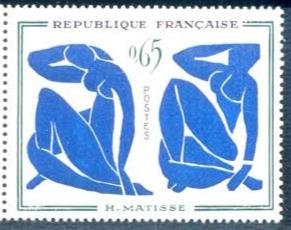
Henri Matisse (1869–1954) was a French painter, sculptor and printmaker who became the leading figure of Fauvism, using intense, non-naturalistic colour and simplified forms to express emotion rather than describe reality. Trained initially as a lawyer, he turned to art in his early twenties and developed a boldly decorative style seen in works like Woman with a Hat, The Red Studio, and his sensuous odalisque interiors. In his later years, after illness limited his mobility, Matisse revolutionised his practice again with his cut-paper “drawing with scissors” compositions, notably large vibrant murals and chapel designs that helped define modern art in the 20th century.