
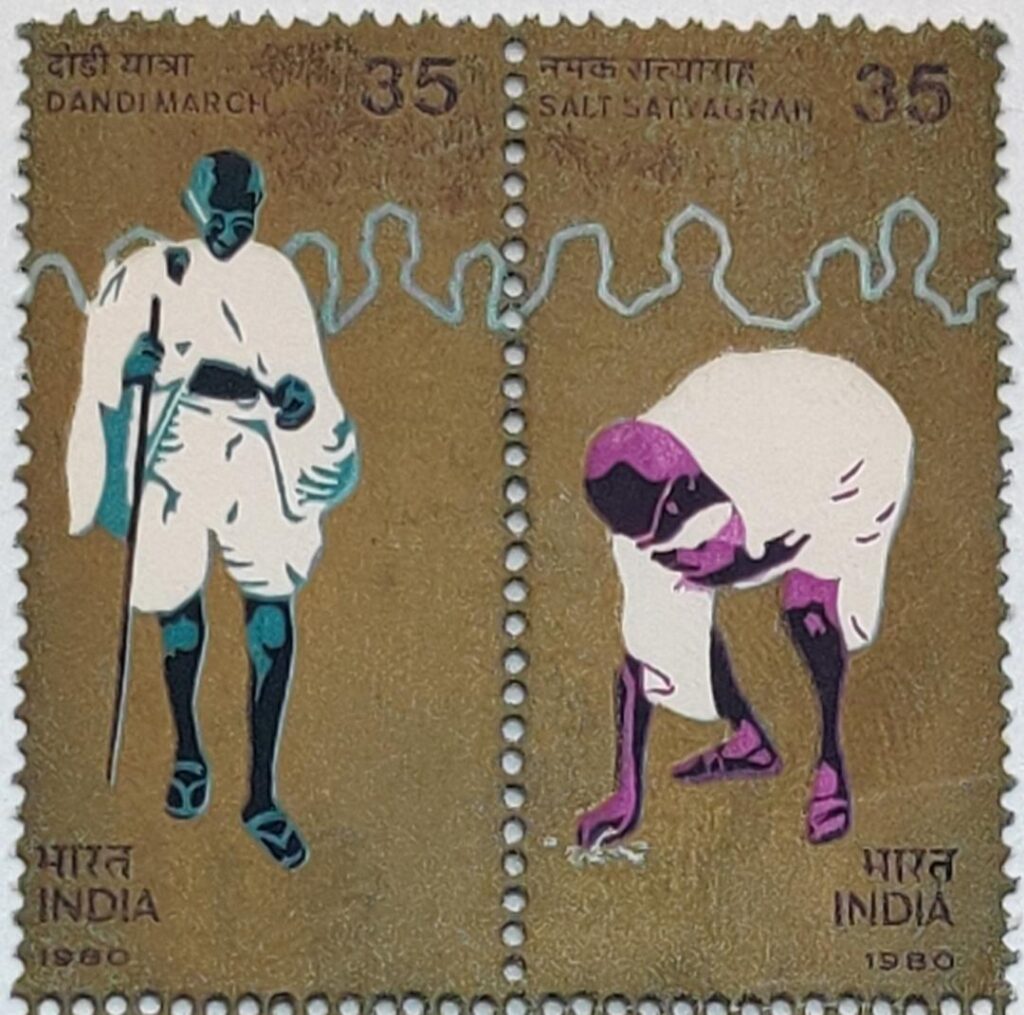
Mahatma Gandhi’s minimal attire often sparked curiosity among his youngest visitors. This heartwarming anecdote captures a candid conversation with a young boy concerned by the leader’s lack of a shirt. Through a gentle response, Gandhi beautifully reframes his personal simplicity as a profound act of solidarity with the millions of citizens he considered his true family.
Children loved visiting Gandhiji.
A little boy who was there one day, was greatly distressed to see the way Gandhiji was dressed. Such a great man yet he doesn’t even wear a shirt, he wondered.
“Why don’t you wear a kurta, Gandhiji?” the little boy couldn’t help asking finally.
“Where’s the money, son?” Gandhiji asked gently. “I am very poor. I can’t afford a kurta.”
The boy’s heart was filled with pity. “My mother sews well,” he said. “She makes all my clothes. I’ll ask her to sew a kurta for you.”
“How many kurtas can your mother make?” Gandhiji asked.
“How many do you need?” asked the boy. “One, two, three…. she’ll make as many as you want.”
Gandhiji thought for a moment. Then he said, “But I am not alone, son. It wouldn’t be right for me to be the only one to wear a kurta.”
“How many kurtas do you need?” the boy persisted. “I’ll ask my mother to make as many as you want. Just tell me how many you need.”
“I have a very large family, son. I have forty crore brothers and sisters,” Gandhiji explained. “Till every one of them has a kurta, how can I wear one? Tell me, can your mother make kurtas for all of them?”
At this question, the boy became very thoughtful. Forty crore brothers and sisters!
Gandhiji was right. Till every one of them had a kurta to wear how could he wear one himself? After all the whole nation was Gandhiji’s family, and he was the head of that family. He was their friend, their companion. What use would one kurta be to him?
www.mkgandhi-sarvodaya.org
Image: Released on October 2, 1980, this commemorative Indian se-tenant stamp pair honours the historic Dandi March. The stamps feature a striking depiction of Mahatma Gandhi leading his followers during the 1930 Salt Satyagraha, serving as a philatelic tribute to one of the most significant campaigns of non-violent civil disobedience in the Indian freedom struggle.