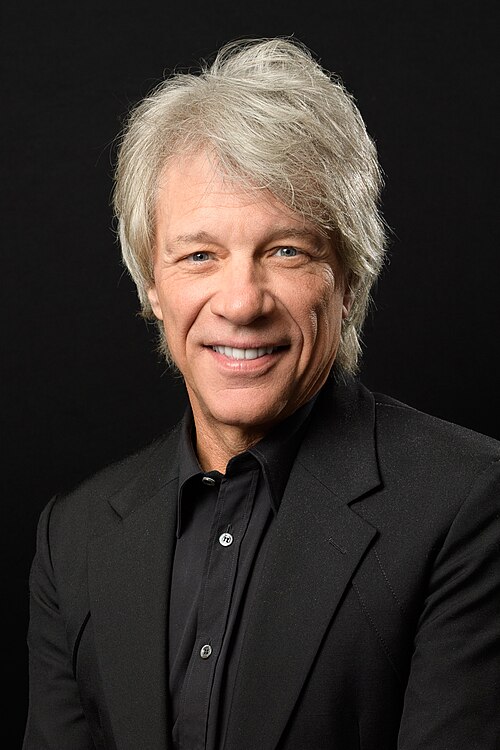
When a global crisis abruptly forced a Rock and Roll Hall of Famer to cancel his massive summer tour, he didn’t retreat to a private mansion—he rolled up his sleeves and headed straight to the dish pit of a community kitchen. Jon Bon Jovi’s remarkable journey from stadium-packing icon to five-days-a-week dishwasher reveals the beating heart behind the fame.
Jon Bon Jovi is famous as the founder and frontman of the legendary American rock band Bon Jovi. But his Soul Kitchen gives us a glimpse into what kind of a man he is.
John Francis Bongiovi Jr. (born March 2, 1962), known professionally as Jon Bon Jovi, is an American singer, songwriter, guitarist and actor. He is the lead vocalist and guitarist of the five-member team of Bon Jovi, formed in 1983 in Sayreville, New Jersey.
Bon Jovi has since sold over 130 million records worldwide, making them one of the best-selling bands of all time. They’ve had numerous chart-topping albums and singles, and have been inducted into the Rock and Roll Hall of Fame. Besides the 16 studio albums with his band, Jon Bon Jovi also has two solo albums to his credit.
In 2006, Jon Bon Jovi and his wife Dorothea founded the Jon Bon Jovi Soul Foundation (formerly the Philadelphia Soul Charitable Foundation) to support community efforts to break the cycle of poverty and homelessness.
As part of the foundation’s efforts, the JBJ Soul Kitchen was set up the same year as a non-profit community restaurant that aims to address food insecurity and promote community building. JBJ Soul Kitchen now has multiple locations in New Jersey, including Red Bank and Toms River, and also operates pop-up locations.
As of August 2025, Soul Kitchen has served over 221,000 meals. The restaurant operates on a “pay-what-you-can” or “pay-with-your-time” model. Guests can pay a suggested donation or volunteer their time to earn a meal. Those who can pay are encouraged to “pay it forward” to cover the cost of meals for those in need.
The restaurant also fosters a sense of community by seating guests from all walks of life together, promoting dignity and respect for all.
Meals are prepared using fresh, locally sourced ingredients, with some grown in the restaurant’s own organic garden.
Soul Kitchen serves 63% of its meals to individuals who cannot afford to pay.
The restaurant has since become a hub for community activity, with volunteers and guests coming together to share meals and support one another.
Image courtesy Wikipedia
Here is a CNN story of July 10, 2020 by Allie Torgan:
From rock superstar to all-star dishwasher, Jon Bon Jovi is keeping his community fed
When rock band Bon Jovi canceled its summer tour due to the global pandemic, front man Jon Bon Jovi didn’t waste a beat turning his focus to those in need in his own backyard.
At his JBJ Soul Kitchen, a non-profit community restaurant in New Jersey, diners pay a cash donation that covers their meal and a meal for someone in need.
But amid earlier Covid-19 restrictions, the restaurant – run by the Jon Bon Jovi Soul Foundation – could only remain open for takeout.
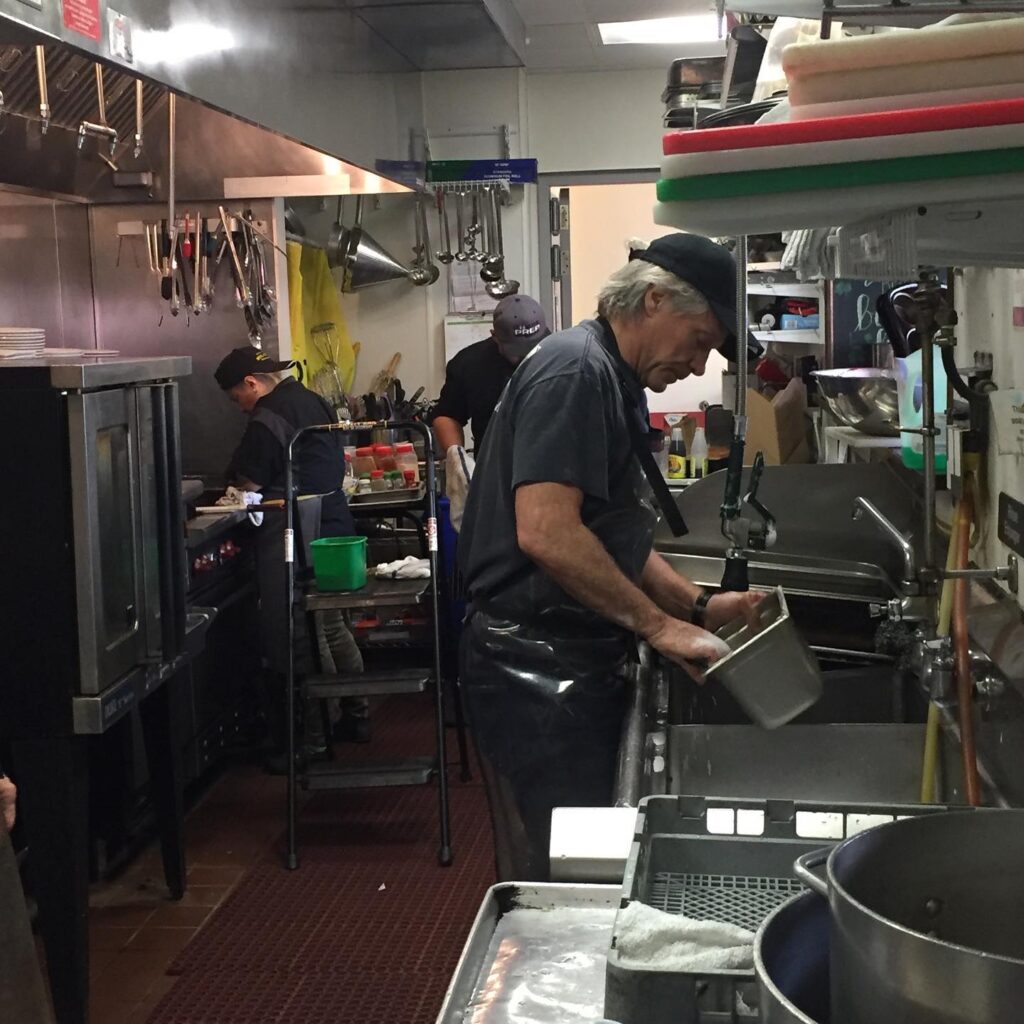
Without its regular in-house volunteer base, the kitchen kept operations afloat with the help of the rock star dishwasher.
“There’s an in-need population here in New Jersey who depend on us,” Bon Jovi told CNN in April. “Hence, the All-Star Hall of Fame dishwasher is back in business.”
Bon Jovi helped out five days a week until just recently, when the restaurant entered phase two and began seating customers per new guidelines.
Over its 13-week takeout period, the restaurant provided more than 7,800 to-go meals to individuals, families, community partners and frontline workers.
At one point, Bon Jovi’s wife, Dorothea, took a picture of him washing dishes for social media. It was captioned, “Do what you can.”
If you loved Jon Bon Jovi’s modern mission to fight food insecurity, you will find a beautiful, ancient parallel in this timeless Indian tradition:
Deep within the heart of Kerala, India, an ancient temple keeps a profound nightly ritual alive. Before the grand gates are locked for the night, the staff steps out to ask a single, crucial question to the darkness: Is anyone still hungry? Discover the thousands-of-years-old tradition of the Vaikom Sree Mahadeva Temple, where serving food isn’t just a duty, but a sacred promise that no soul is left behind in the dark.