
When the Master heard that a neighbouring forest had been devastated by fire, he mobilised all his disciples. “We must replant the cedars,” he said.
“The cedars?” exclaimed an incredulous disciple. “But they take 2,000 years to grow.”
“In that case,” said the Master, “there’s not a minute to lose. We must set out at once.”

A miniature sheet issued by India post on May 2, 2007 to commemorate 2550 years of Mahaparinirvana of the Buddha (Buddha was born in 563 BC and attained “Mahaparinirvana” at the age of eighty in 483 BC). Courtesy https://www.buddhiststamp.com/
Good to know:
Literary origins and Marshal Lyautey: While widely anthologised as a classic Zen or Sufi parable, the most famous historical origin of this exchange comes from the French military officer and statesman Hubert Lyautey (1854–1934). When visiting Morocco, Lyautey instructed his gardener to plant a row of rare cedar trees. When told the species would take a century to grow to full size, Lyautey famously replied, “In that case, there is no time to lose; plant them this afternoon.”
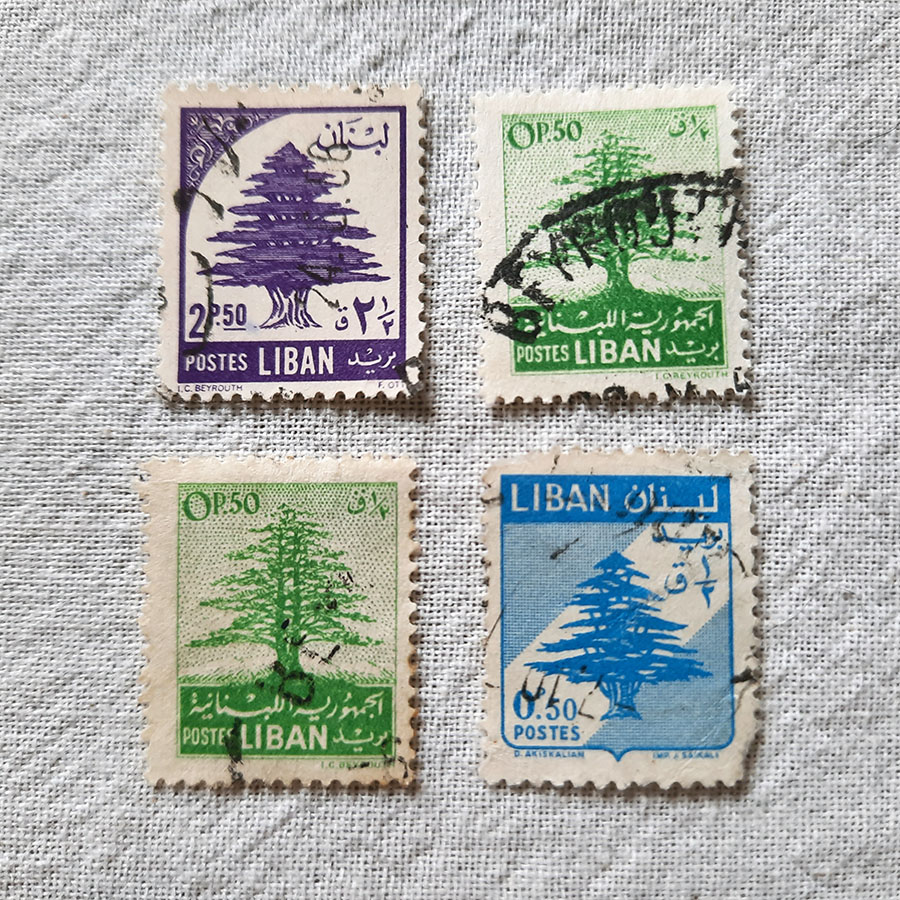
The majestic cedars of history: The Cedars of Lebanon (Cedrus libani) and other ancient cedar species are among the most revered trees in human history, historically prized across Mesopotamia, ancient Egypt, and Phoenicia for their enduring strength, fragrance and longevity. Capable of surviving for thousands of years, these living monuments stand as ultimate symbols of patience and generational legacy.
Image: Postage stamps of Cedar of Lebanon issued by Lebanon in multiple denominations during 1952–1958. For more information on the significance of the tree species, please visit https://armchairphilately.com/2021/08/11/cedar-of-lebanon/