
Great human achievements have been forged in the quiet strength that refuses to bow to impossibility. When visionary purpose meets unyielding conviction, physical limitations dissolve in the presence of sheer determination. This inspiring reflection explores how extraordinary resilience can bridge the gap between improbable dreams and enduring reality.
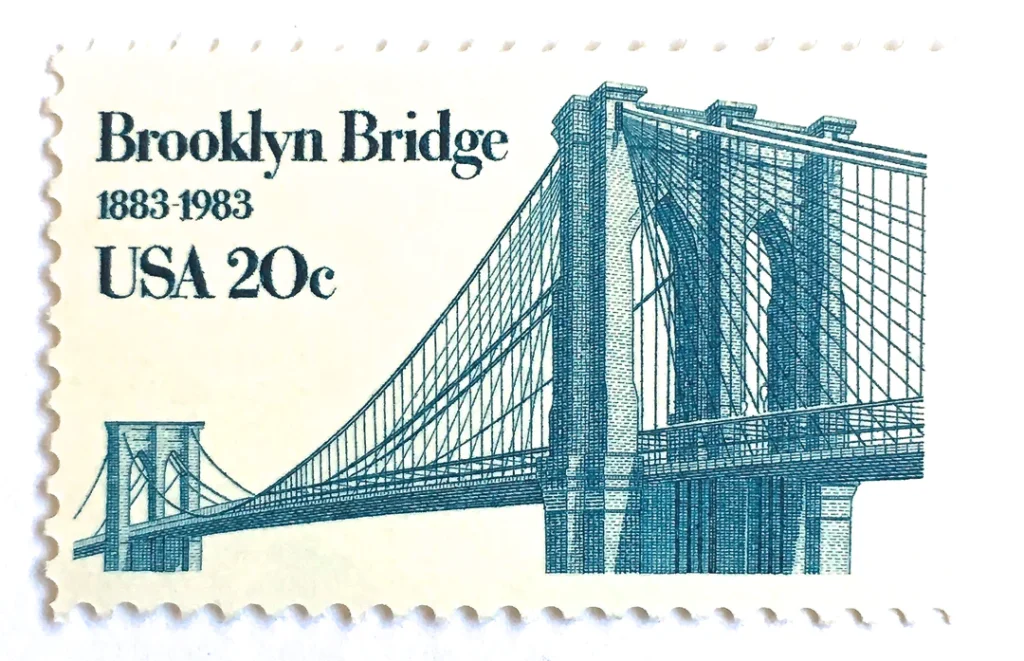
The Brooklyn Bridge that spans the river tying Manhattan Island to Brooklyn (in New York, USA) is truly a miracle bridge. In 1863, a creative engineer named John Roebling was inspired by an idea for this spectacular bridge. However, bridge-building experts throughout the world told him to forget it; it could not be done.
Roebling convinced his son, Washington, who was a young up and coming engineer, that the bridge could be built. The two of them developed the concepts of how it could be accomplished and how the obstacles could be overcome. With unharnessed excitement and inspiration, they hired their crew and began to build their dream bridge.
The project was only a few months under construction when a tragic accident on the site took the life of John Roebling and severely injured his son, Washington. Washington was left with permanent brain damage and was unable to talk or walk. Everyone felt that the project would have to be scrapped since the Roeblings were the only ones who knew how the bridge could be built.
Even though Washington was unable to move or talk, his mind was as sharp as ever, and he still had a burning desire to complete the bridge. An idea hit him as he lay in his hospital bed, and he developed a code for communication. All he could move was one finger, so he touched the arm of his wife with that finger, tapping out the code to communicate to her what to tell the engineers who were building the bridge. For thirteen years, Washington tapped out his instructions with his finger until the spectacular Brooklyn Bridge was finally completed.”
More at https://www.bizmove.com/
Image: A United States postage stamp issued in 1983 to commemorate the 100th anniversary of the Brooklyn Bridge. Courtesy National Postal Museum, USA.
More about Brooklyn Bridge:
The Brooklyn Bridge is a historic New York City landmark that, upon its completion in 1883, was hailed as the “Eighth Wonder of the World”. Here are some of its most unique features and facts:
- World’s First Steel-Wire Suspension Bridge: It was the first suspension bridge to use galvanized steel for its main cables, a revolutionary choice that allowed it to be lighter and more durable than previous iron designs.
- Hybrid Cable System: Unlike most suspension bridges, it uses a unique hybrid design of both vertical suspension cables and diagonal stay cables that extend from the towers, creating a distinctive lattice-like appearance.
- Neo-Gothic Stone Towers: Its iconic towers feature massive pointed arches made of limestone, granite, and cement, designed to resemble a Gothic cathedral.
- Elevated Pedestrian Promenade: A dedicated wooden walkway is situated 18 feet above the vehicular traffic, allowing pedestrians and cyclists to cross safely with panoramic views of the city.
- Massive Over-Engineering: Concerned about then-unknown wind forces, designer John Roebling built the bridge to be six times stronger than he believed was necessary.
- Hidden Wine Cellars: To help fund construction, massive vaults were built into the bridge’s anchorages and rented out as wine and champagne cellars due to their naturally cool, stable temperatures.
- Cold War Fallout Shelter: In 2006, city workers discovered a secret bunker inside a Manhattan-side masonry arch, stocked with survival supplies like medical equipment and 350,000 crackers from the 1950s.
- Peregrine Falcon Nesting: The heights of the bridge towers have become a regular nesting site for peregrine falcons, the world’s fastest birds.
- Elephant Parade of 1884: To prove the bridge’s strength to a skeptical public, showman P.T. Barnum famously marched 21 elephants across the span a year after it opened.
- Fossils in the Stone: The limestone used for the anchorages contains 400-million-year-old fossils, including rugosa corals and trilobites, visible to keen-eyed walkers.
- “The Bends” Legacy: The bridge’s foundation work in underwater caissons led to the first medical recognition of decompression sickness, then known as “caisson disease” or “the bends,” which permanently debilitated chief engineer Washington Roebling.